
Men's Health Nutrition Guide
Discover evidence-based nutritional principles designed specifically for men's health, energy, and longevity. Learn how proper nutrition supports muscle development, hormonal balance, and overall vitality.
The information on this site is for educational purposes only and does not constitute medical advice. Always consult a qualified healthcare professional before making health decisions.
Core Nutrition Principles for Men
Optimal nutrition for men addresses unique physiological needs: supporting muscle maintenance, hormonal balance, cardiovascular health, and sustained energy throughout life stages.
Adequate Protein Intake
Men require sufficient protein to maintain and build muscle mass, support immune function, and regulate hormones. Quality protein sources include lean meats, fish, legumes, eggs, and dairy products that provide essential amino acids.
Nutrient-Dense Foods
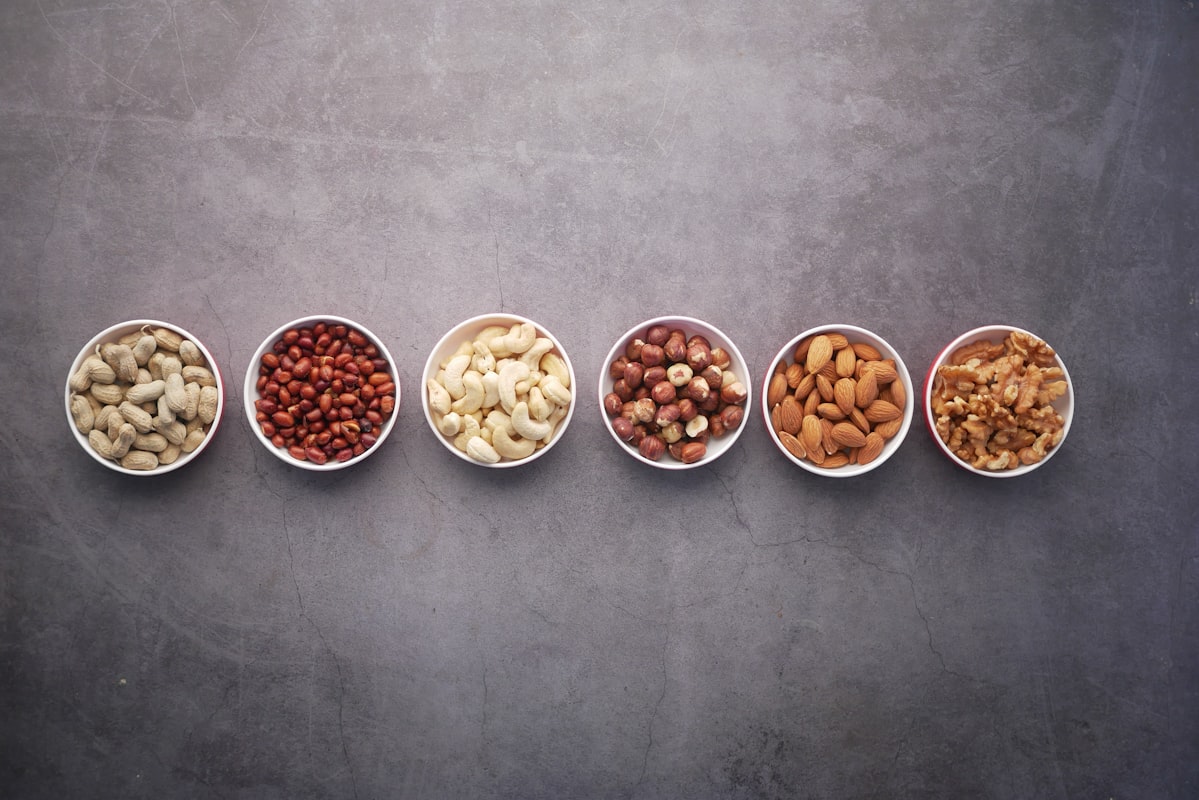
Focus on whole foods rich in vitamins, minerals, and antioxidants. Colorful vegetables, whole grains, nuts, seeds, and fresh fruits provide micronutrients essential for energy production, bone health, and protective cellular functions.
Heart-Healthy Fats
Include omega-3 fatty acids from fish, flaxseeds, and walnuts to support cardiovascular function. Healthy monounsaturated and polyunsaturated fats reduce inflammation and support brain health while maintaining hormonal balance.
Proper Hydration & Carbs
Adequate water intake supports metabolism and physical performance. Complex carbohydrates from whole grains provide sustained energy for daily activities and exercise, while supporting mental focus and endurance.
Essential Micronutrients
Zinc, magnesium, and B vitamins play critical roles in energy metabolism and hormonal regulation. Vitamin D, selenium, and iron support immune function and oxygen transport throughout the body for optimal vitality.
Strategic Meal Timing
Consistent meal spacing helps maintain steady blood sugar, energy levels, and appetite control. Eating protein and carbohydrates around physical activity optimizes recovery and supports muscle development effectively.
Why Nutrition Matters for Men's Health
Men face unique nutritional challenges across different life stages. From building strength in younger years to maintaining bone density and cognitive function in later years, proper nutrition is foundational to overall wellbeing and longevity.
Nutritional choices directly impact energy levels, physical performance, mental clarity, and the ability to maintain a healthy body composition. A well-planned nutrition approach helps men achieve their personal health goals while reducing the risk of common age-related concerns.
- Supports muscle development and maintenance across all ages
- Promotes sustained energy and physical performance
- Supports hormonal balance and reproductive health
- Enhances mental clarity and focus throughout the day
- Supports cardiovascular and bone health

Building Your Nutrition Foundation
Understanding the difference between basic nutrition awareness and strategic nutritional planning helps men make informed choices aligned with their personal health objectives.
Without Strategic Planning
- Inconsistent energy levels throughout the day
- Difficulty maintaining muscle mass and strength
- Poor recovery after physical activity
- Difficulty focusing and mental clarity issues
- Nutrient deficiencies developing over time
- Limited ability to achieve personal fitness goals
With Evidence-Based Nutrition
- Stable energy and improved daily performance
- Better muscle development and maintenance
- Faster recovery and improved strength gains
- Enhanced mental clarity and focus
- Complete micronutrient support and vitality
- Sustainable progress toward long-term health goals
Getting Started with Nutritional Planning
Building a sustainable nutrition approach takes intention and understanding. Here's how to begin your journey toward better nutritional awareness and improved health.
Assess Your Current Habits
Start by understanding what you're currently eating. Track your meals for a few days, note your energy levels, and identify patterns. This awareness becomes the foundation for meaningful changes.
Learn Core Principles
Understand your nutritional needs based on age, activity level, and personal goals. Explore our nutrient guide to learn which foods support your specific health objectives and energy requirements.
Plan Your Meals
Create simple meal plans that incorporate nutritious foods you enjoy. Focus on whole foods, proper protein intake, and balanced nutrition that fits your lifestyle and cooking preferences.
Monitor & Adjust
Track how you feel and your progress toward personal goals. Note improvements in energy, strength, and overall wellbeing. Adjust your approach based on real-world results and feedback from your body.
Key Nutrients for Men's Vitality
These essential nutrients play critical roles in men's health, from energy production to hormonal regulation and physical performance.
Zinc
Essential for hormone regulation, immune function, and protein synthesis. Found in beef, oysters, chickpeas, and pumpkin seeds. Supports reproductive health and wound healing.
Magnesium
Supports muscle function, energy production, and nervous system health. Present in dark leafy greens, almonds, pumpkin seeds, and whole grains. Helps with sleep quality and recovery.
Vitamin D
Crucial for bone health, immune function, and hormonal balance. Synthesized from sun exposure and found in fatty fish, egg yolks, and fortified foods. Supports energy and mood regulation.
Omega-3 Fatty Acids
Reduces inflammation and supports cardiovascular and brain health. Found in salmon, sardines, flaxseeds, and walnuts. Essential for heart function and cognitive performance.
B Vitamins
Critical for energy metabolism and nervous system function. B6, B12, and folate support hormone regulation and homocysteine metabolism. Found in meat, eggs, legumes, and whole grains.
Iron & Selenium
Iron transports oxygen and supports energy levels. Selenium acts as a powerful antioxidant. Found in lean meats, shellfish, beans, and Brazil nuts. Support immune and reproductive function.
Practical Nutrition Examples
Real-world examples of balanced meals and food choices that support energy, muscle development, and overall men's health goals.

Power Breakfast
Whole grain toast with nut butter, three-egg omelet with vegetables, fresh berries, and a glass of water or herbal tea. Provides sustained energy and complete protein for morning recovery.
Key nutrients: Protein, complex carbs, healthy fats, vitamins

Balanced Lunch
Grilled chicken breast with brown rice, roasted broccoli and sweet potato, mixed green salad with olive oil dressing. Complete nutrition supporting afternoon energy and muscle maintenance.
Key nutrients: Lean protein, complex carbs, fiber, minerals

Heart-Healthy Dinner
Baked salmon with roasted asparagus and quinoa, side salad with leafy greens. Omega-3 fatty acids and micronutrients supporting cardiovascular health and nighttime recovery.
Key nutrients: Omega-3s, complete protein, antioxidants

Smart Snacking
Greek yogurt with almonds and berries, or apple with almond butter. Provides sustained energy between meals while supporting muscle recovery and satiety throughout the day.
Key nutrients: Protein, healthy fats, fiber, vitamins

Pre-Workout Fuel
Banana with natural nut butter, or oatmeal with honey 30-60 minutes before exercise. Provides quick and sustained carbohydrates for optimal performance and endurance during physical activity.
Key nutrients: Simple + complex carbs, quick energy
Post-Workout Recovery
Protein shake with banana and berries, or chicken with rice. Consumed within 30-60 minutes post-exercise supports muscle repair, recovery, and adaptation to training stimulus.
Key nutrients: Protein, fast carbs, electrolytes
Common Questions About Men's Nutrition
Find answers to frequently asked questions about nutrition for men's health, muscle development, and optimizing your dietary approach.
How much protein do men need daily?
The recommended dietary allowance is 0.8g per kg of body weight. However, men aiming for muscle growth should consume 1.6-2.2g per kg of body weight spread throughout the day for optimal protein synthesis.
What supplements are essential for men?
Key supplements include whey protein, creatine monohydrate, vitamin D3, omega-3 fish oil, and a quality multivitamin. Always consult a healthcare provider before starting any supplement regimen.
How does nutrition affect testosterone levels?
Adequate zinc, vitamin D, and healthy fats support testosterone production. Sufficient calorie intake, quality sleep, and stress management are equally important for maintaining healthy hormone levels.
Should men follow specific macronutrient ratios?
A balanced approach works best: 30-40% protein, 30-40% carbohydrates, and 20-30% healthy fats. Individual needs vary based on goals, activity level, and metabolism.
What Our Readers Are Saying
Join thousands of men who have optimized their nutrition and transformed their health and fitness results.
"This hub completely changed my understanding of nutrition. I've gained 12 pounds of muscle in 4 months by following the macro guidelines. Highly recommended!"
James Mitchell
Fitness Enthusiast
"The meal timing insights helped me recover faster from my workouts. My energy levels are consistently high throughout the day. Best resource I've found!"
Robert Chen
Professional Athlete
"Clear, science-backed information without the hype. I appreciate how the guides break down complex nutrition science into actionable steps anyone can follow."
David Wilson
Health Coach
Start Optimizing Your Nutrition Today
Get access to science-backed nutrition guides, meal plans, and supplement recommendations tailored for men's health and fitness goals.
No spam. Unsubscribe anytime. Join 50,000+ men improving their nutrition.